
Sclerotherapy is a proven and effective treatment for chronic venous insufficiencies, particularly spider veins. It offers immediate relief and positive long-term results, making it an ideal solution for most patients when preventative care and other noninvasive treatments fail. However, as with any medical procedure, it’s crucial to have a clear understanding of the process before making a final decision.
Here’s what you need to know:
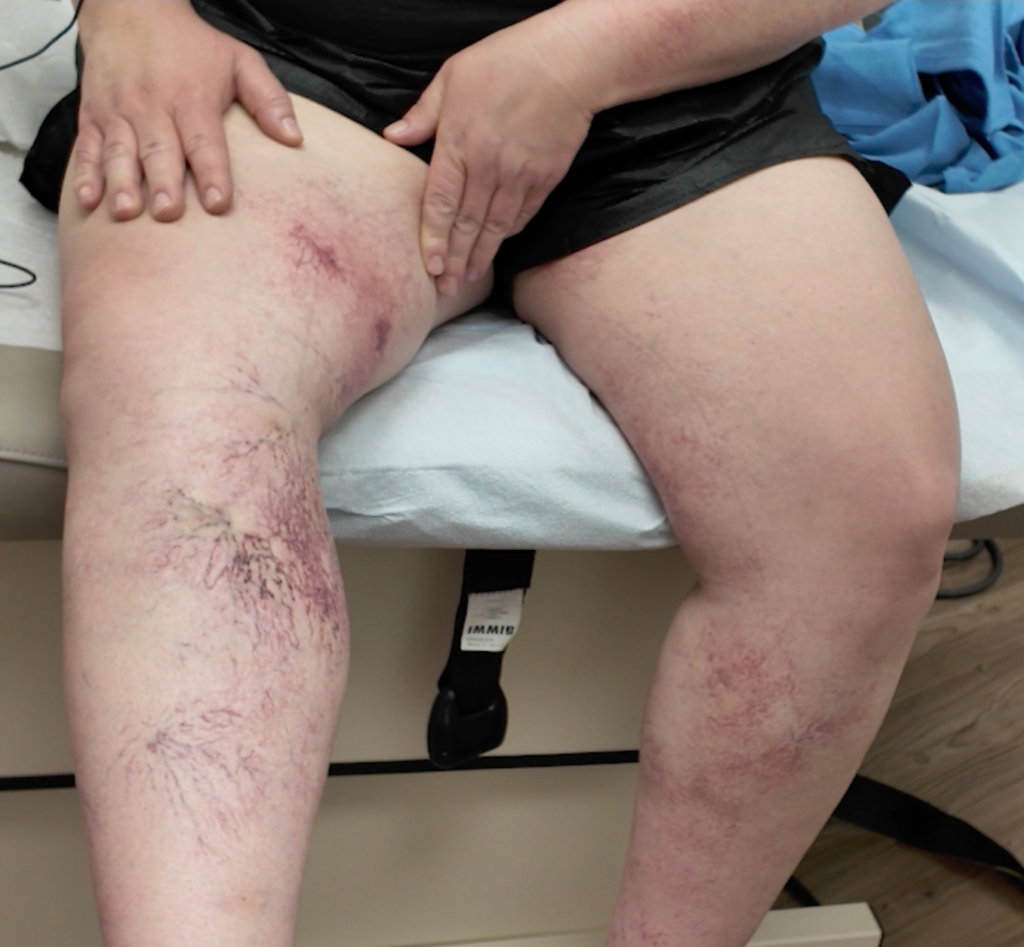
The Basics
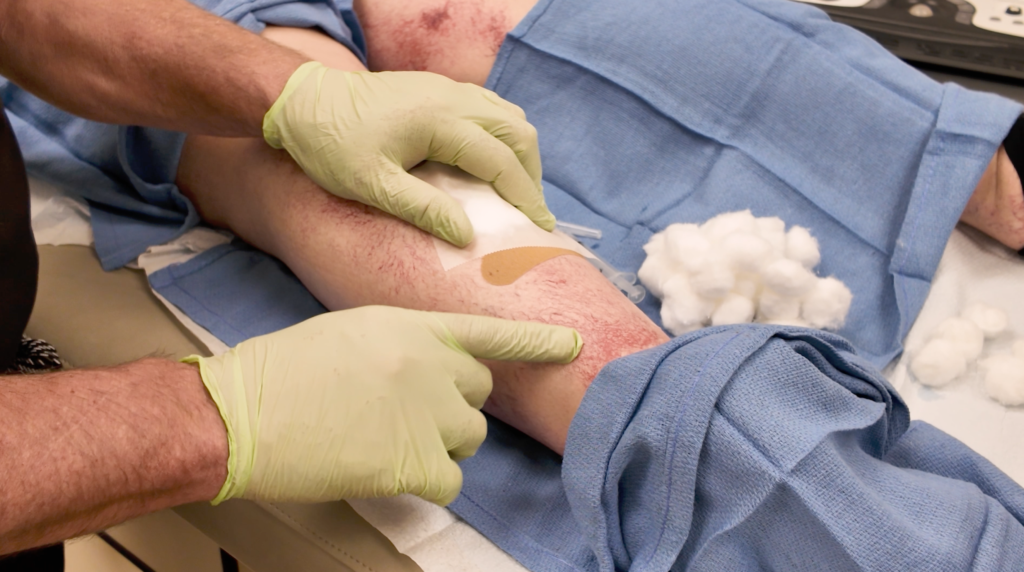
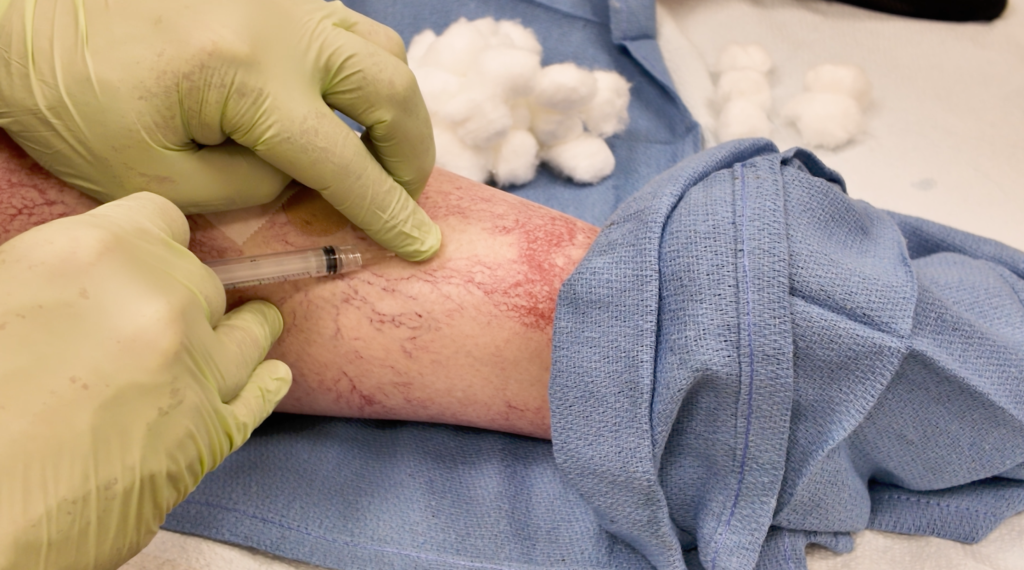
Sclerotherapy involves injecting a solution called sclerosant directly into the affected vein. The goal is to achieve irreversible venous closure (fibrotic occlusion) and subsequent absorption of the vein. This process redirects venous blood from the abnormal varicose vessel to healthier veins.
Sclerotherapy is a non-invasive outpatient procedure that typically takes no more than 30 minutes. After the procedure, patients can drive themselves home and resume normal activities. However, it’s recommended to wear compression garments over the treated vein, avoid prolonged sun exposure, and refrain from aerobic exercise for several days.
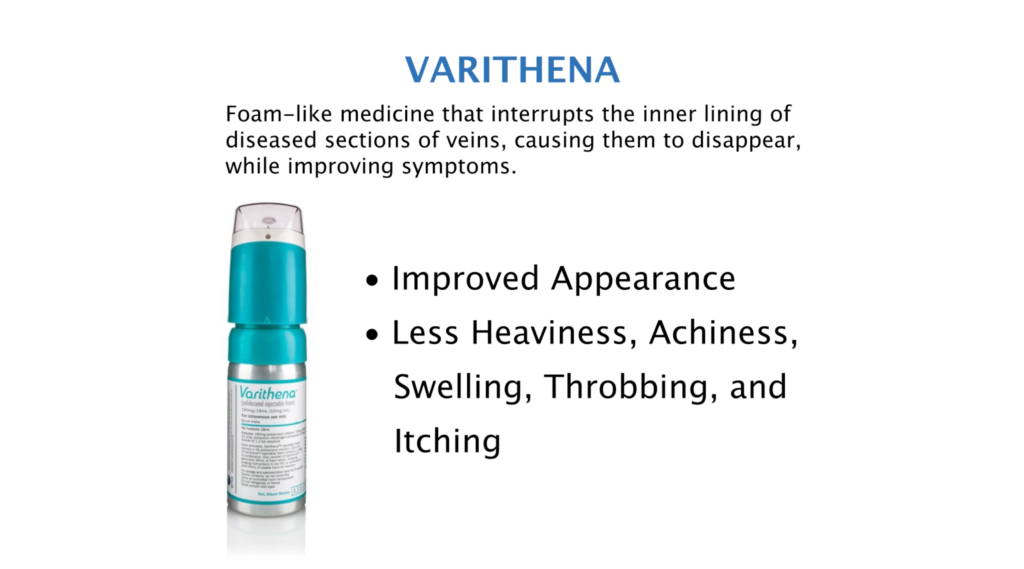
As a result, leg discomfort and cosmetic appearance improve. Sclerotherapy uses either ‘liquid’ or ‘foam’ formulations. Liquid injection is suitable for smaller, surface veins, while foam injection is used for larger veins due to its increased potency. Additionally, foam injection can be observed under ultrasound in real-time, providing better precision.
Is the Procedure Painful?
One of the most common questions about sclerotherapy is whether it’s painful. The answer is that most patients tolerate the procedure extremely well. On average, the pain is rated as a 1 or 2 on a scale of 10. If a patient’s anxiety is high, anxiety medicine can be prescribed for the procedure.
For patients suffering from spider veins, sclerotherapy can alleviate pain, significantly reduce swelling, and promote circulation. By reducing swelling, it also eliminates the unsightly bulging of the veins against the skin.
Are There Any Complications?
While most cases respond well, some patients may require multiple rounds of treatment before seeing improvement. If pain and inflammation persist after three to four weeks, another injection may be necessary.
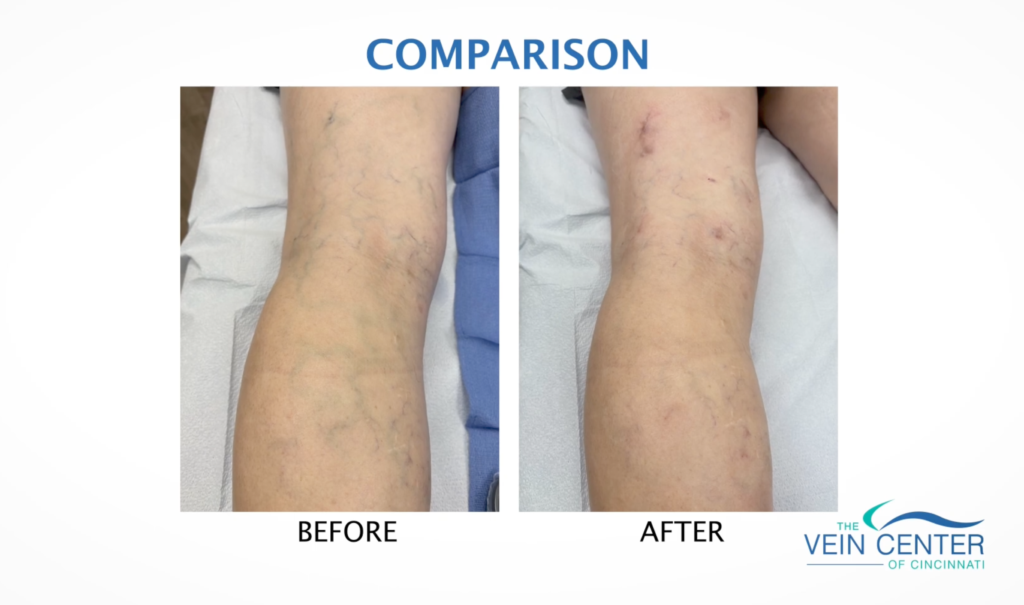
Sclerotherapy is a noninvasive procedure that carries fewer complications compared to more invasive alternatives. However, some patients may experience minor side effects at the injection site, such as pain, itching, bruising, and inflammation. In rare cases, slight discoloration of the skin or hives may occur. Most of these symptoms should resolve within a few days.
Know Your Options
While it’s an effective and appropriate treatment for many patients, different conditions and circumstances may require different approaches. Some reasons why you might not be a suitable candidate for sclerotherapy include pregnancy, an allergy to sclerosant, active clotting or bleeding episodes, and immobility. Fortunately, there are now a wide variety of minimally or non-invasive treatment options available for venous disorders.
During your consultation, our venous expert will customize a treatment plan that suits your individual needs. The number of treatments required varies depending on the number of veins and your expectations. For most patients, three or four sessions are needed to achieve the desired results. Treatment sessions are scheduled at four-week intervals until the desired outcomes are achieved.